What is a Divorce?
A divorce, also known as the dissolution of marriage, is the legal process through which a marriage is formally ended. Divorce allows both parties to resolve their legal and financial obligations and, if applicable, establish arrangements for child custody, support, and property division.
Divorce can be emotionally and financially challenging. Our Lakeside divorce attorneys understand the personal nature of these matters and work to make the process as clear and manageable as possible.
Common Factors in a Divorce
Divorce cases often involve several key factors that must be addressed to ensure a fair and equitable resolution:
Alimony
Alimony, or spousal support, is financial assistance that one spouse may be required to pay to the other after divorce. The purpose of alimony is to provide support to a spouse who may have limited income or financial resources following the end of a marriage. Factors such as the length of the marriage, the financial needs of each spouse, and each party’s ability to pay are considered in determining alimony.
Child Custody
Child custody determines where and how children will live and the responsibilities each parent will have in raising them. Florida courts prioritize the best interests of the child, considering factors such as the child’s relationship with each parent, each parent’s ability to provide for the child, and the child’s adjustment to home, school, and community. Custody arrangements can be physical, legal, or both.
Child Support
Child support ensures that children receive financial support from both parents. Florida law calculates child support based on factors such as each parent’s income, the needs of the child, and time spent with each parent. Our Lakeside divorce lawyer team helps clients understand their obligations and rights regarding child support to ensure fair arrangements.
Property Division
Property division involves distributing marital assets and debts between spouses. Florida is an equitable distribution state, meaning assets are divided fairly but not necessarily equally. Marital property may include homes, vehicles, retirement accounts, and other assets acquired during the marriage. Properly valuing and dividing property requires careful legal guidance to prevent disputes and ensure fairness.
Other considerations in a divorce may include debt allocation, retirement benefits, tax implications, and healthcare responsibilities.
Florida Divorce Laws
Florida divorce laws provide a framework for resolving the legal, financial, and personal issues associated with ending a marriage. Some key points include:
- No-Fault Divorce: Florida allows for no-fault divorces, meaning that a spouse does not need to prove wrongdoing by the other party. The most common ground for divorce is “irretrievable breakdown” of the marriage.
- Residency Requirements: To file for divorce in Florida, at least one spouse must have been a resident of the state for at least six months prior to filing.
- Child Custody and Support: Florida law prioritizes the best interests of the child when determining custody arrangements and child support obligations.
- Equitable Distribution: Marital assets and debts are divided equitably, which may not always be equal but aims to be fair based on the circumstances of the marriage.
The Divorce Process in FL
The divorce process in Florida generally involves the following steps:
- Filing the Petition: One spouse files a petition for dissolution of marriage with the court, outlining requests for alimony, custody, support, and property division.
- Serving the Petition: The petition is formally served to the other spouse, who then has the opportunity to respond.
- Discovery and Negotiation: Both parties may exchange financial information and other relevant details to ensure transparency. Negotiations may take place to reach a settlement.
- Mediation (if necessary): Florida courts often encourage mediation to resolve disputes related to custody, support, and property without going to trial.
- Trial: If an agreement cannot be reached, the case may proceed to trial, where a judge will make decisions regarding unresolved issues.
- Final Judgment: Once all matters are settled, the court issues a final judgment of dissolution of marriage, officially ending the marriage and outlining responsibilities.
Throughout this process, our Lakeside divorce attorney can help you understand your rights, gather evidence, negotiate effectively, and represent your interests in court if necessary.
Divorce FAQs
Q: How long does a divorce take in Florida?
A: The length of a divorce depends on the complexity of the issues involved. Uncontested divorces can be finalized in a few months, while contested divorces with custody or property disputes may take a year or longer.
Q: Can I modify custody or support after a divorce?
A: Yes, Florida law allows modifications if there is a substantial change in circumstances affecting the child’s best interests or a parent’s financial situation.
Q: What if my spouse hides assets?
A: Hiding assets is illegal. Our Lakeside divorce lawyer team can assist in uncovering hidden property and ensuring a fair division of marital assets.
Q: Do I need a lawyer for a divorce?
A: While it’s possible to represent yourself, a lawyer helps protect your rights, ensures compliance with Florida law, and can help resolve disputes efficiently.
How We Approach Divorce Cases
Divorce is not only a legal case. It is a major life transition that affects children, finances, and long-term plans. When we take on a divorce, we start by listening closely to your story and your priorities. Some clients are focused on protecting time with their children, others are most concerned about staying in the family home, and many are trying to balance both.
Our attorneys work to build strategies that reflect those goals, rather than relying on a one-size-fits-all approach. We talk through possible outcomes, likely points of conflict, and where compromise may help you move forward. Our aim is to protect your rights while also helping you make choices that support stability for you and your children over time.
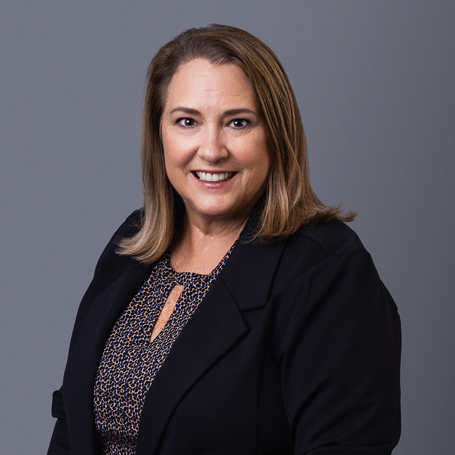
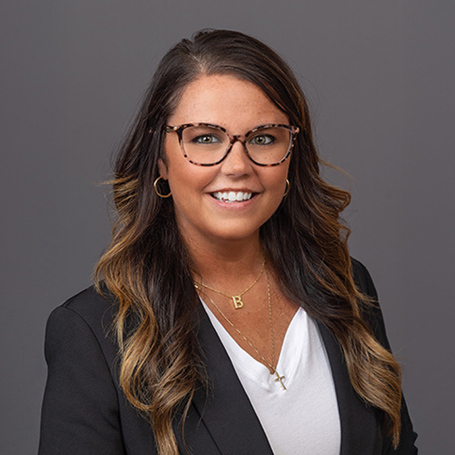
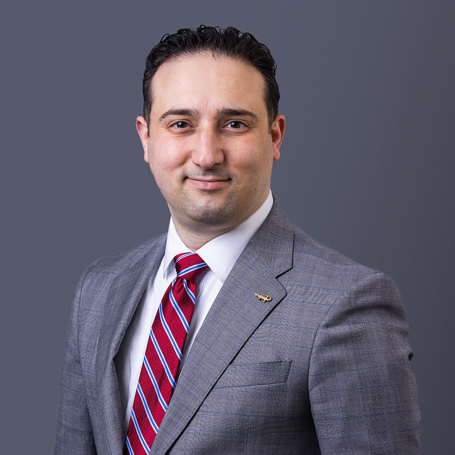
Because our team has handled thousands of matters across family law, estate planning, and criminal defense, we are prepared for the real-life complications that can arise in a Lakeside divorce. Senior Attorney Joy Owenby, who holds a 10 out of 10 Avvo rating and maintains active memberships in the Jacksonville Bar Association and the Florida Association for Women Lawyers, leads our firm. She is joined by senior attorneys who bring focused experience with child support, family law, and trial work to our cases.
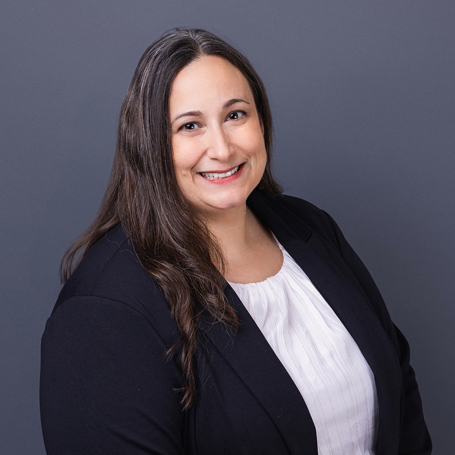
Senior Attorney Tawny Rountree has more than a decade of experience that includes work as a contract attorney handling child support collections for state agencies. Her background is especially valuable in cases where child support is a significant concern. Senior Attorneys Amanda Meyer and Emily Cochran are both involved with the Florida Family Law American Inn of Court, which reflects a commitment to ongoing education and thoughtful practice in family law. Senior Attorney Dustin Nemati is a former prosecutor with extensive trial experience in misdemeanor and felony matters, which can be important in contested divorces or cases that intersect with criminal allegations.
Call (904) 770-3141 to schedule your free 30-minute consultation with our team today.