- Embezzlement: This occurs when an individual who is legally entrusted with managing or monitoring another party's money or property unlawfully appropriates those funds for personal use. This is frequently charged against corporate accountants, bookkeepers, and corporate executives.
- Health Care and Medicare Fraud: A highly prosecuted offense in Florida, health care fraud involves intentionally billing insurance companies or government programs like Medicare and Medicaid for services, procedures, or medical equipment that were never provided, or inflating the costs of services actually rendered.
- Wire and Mail Fraud: Federal prosecutors utilize wire and mail fraud charges as catch-all allegations. These crimes involve using any form of interstate electronic communication (emails, wire transfers, phone calls) or postal services to execute a scheme intended to defraud someone.
- Securities and Investment Fraud: This includes insider trading, Ponzi schemes, and market manipulation. It involves deceiving investors regarding the true financial health of a company or commodity to manipulate financial markets or misappropriate investor capital.
- Money Laundering: The process of making illegally gained proceeds ("dirty money") appear legal ("clean"). It involves funneling cash through legitimate businesses, foreign bank accounts, or complex corporate layers to obscure its illicit origins.
- Tax Fraud and Evasion: Intentionally underreporting income, inflating deductions, utilizing abusive offshore tax shelters, or failing to file tax returns altogether with the direct intent to evade state or federal tax obligations.
The Critical Difference Between State and Federal Charges
Many white-collar crimes cross state lines or touch entities regulated by the United States government, meaning they are frequently prosecuted in federal court. Investigations are often conducted by elite federal agencies, such as the Federal Bureau of Investigation (FBI), the Internal Revenue Service (IRS), the Securities and Exchange Commission (SEC), and the Office of Inspector General (OIG).
Federal prosecutions operate under an entirely different set of procedural rules, stricter evidentiary standards, and the rigorous United States Sentencing Guidelines. Federal agencies often spend months or even years building an airtight case before making an arrest. Retaining a Jacksonville white collar crime lawyer who is specifically admitted to practice in the U.S. District Court for the Middle District of Florida, and who understands how to counter federal prosecutorial tactics, is absolutely vital to achieving a favorable outcome.
Legal Defenses to White Collar Crimes
Every white-collar case is unique, but several defense strategies may apply depending on the facts:
- Lack of Intent: Most white-collar crimes require proof that you intended to commit fraud or deception. If intent cannot be proven, the charges may not stand.
- Insufficient Evidence: Financial crime cases often rely on complex documentation. Errors, missing records, or weak links in the evidence chain can create reasonable doubt.
- Mistaken Identity: In cybercrime or large-scale fraud investigations, authorities sometimes misidentify the responsible party.
- Duress or Coercion: If you were forced or pressured into participating in an illegal activity, this may serve as a defense.
- Constitutional Violations: Illegal searches, improper seizure of records, or violations of your rights during interrogation can result in suppressed evidence.
Our Jacksonville white collar crime lawyers will carefully analyze every aspect of the investigation to build the strongest possible defense.
The Investigation and Legal Process
White collar crime cases often begin long before an arrest occurs. You may first become aware of an investigation through:
- A subpoena for financial records
- A search warrant execution
- Contact from federal or state investigators
- A target letter from a prosecutor
Once charges are filed, the process may include:
- Arraignment
- Discovery and evidence review
- Pre-trial motions
- Negotiations with prosecutors
- Trial or resolution through plea agreement
Early legal representation can sometimes prevent charges from being filed at all.
Award-Winning Defense Recognized Across Florida
Facing a white-collar investigation means your reputation is often on the line just as much as your freedom. Owenby Law, P.A. has built a defense practice recognized well beyond Jacksonville, with honors that include:
- Lead Counsel Rated
- The National Trial Lawyers Top 100
- Avvo Client's Choice Award
- Seminole 100
- 10 Best 2021
- American Jurist Institute Top 10 Attorneys
- Inc. 5000
- Law Firm 500
These distinctions reflect more than marketing — they represent independent recognition from legal peer-review organizations and industry publications that our firm consistently delivers results for clients facing serious allegations, including complex financial crimes.
Defending Clients Throughout Jacksonville & Northeast Florida
White-collar investigations often span multiple jurisdictions, financial institutions, and even federal districts, but where your case is ultimately heard can significantly affect strategy. Owenby Law, P.A. maintains offices across Northeast Florida, giving clients direct access to experienced defense counsel close to home:
- Jacksonville — 6136 Atlantic Boulevard, Jacksonville, FL 32211
- Orange Park — 2301 Park Avenue, Suite 404, Orange Park, FL 32073
- St. Augustine — 326 Paseo Reyes Drive, St. Augustine, FL 32095
- Fleming Island — 1835 E. West Pkwy, Suite 17, Fleming Island, FL 32003
Our attorneys are familiar with both the Duval County Courthouse and the U.S. District Court for the Middle District of Florida, allowing us to represent clients whether their case remains at the state level or escalates into a federal matter.
Related Criminal Defense Matters We Handle
White-collar allegations sometimes arise alongside, or get charged in connection with, other criminal matters. Our defense team also regularly represents clients facing:
- Theft Crimes — Defending against allegations ranging from petit theft to large-scale grand theft charges.
- Felony Crimes — Representing clients across the full range of Florida felony offenses, including those carrying significant prison exposure.
- Probation Violations — Helping clients respond to alleged violations tied to prior financial or fraud-related convictions.
- Drug Crimes — Providing experienced defense for clients facing overlapping state and federal drug charges.
Because white-collar cases can quickly intersect with these other charges, having one firm handle your full defense strategy helps ensure nothing falls through the cracks.
Frequently Asked Questions
Are white-collar crimes always federal?
No. Some cases are handled in Florida state court, while others are prosecuted federally, depending on the scope and nature of the alleged conduct.
Can white-collar crime charges be dismissed?
Yes, in some cases. Charges may be dismissed due to lack of evidence, procedural errors, or successful pre-trial motions filed by your attorney.
Can I go to prison for a white-collar crime in Florida?
Yes. Many state and federal white-collar offenses carry mandatory minimum prison sentences. Depending on the specific charge and the total financial loss involved, convictions can carry penalties ranging from 5 to 30 years in prison per count.
What should I do if federal agents show up at my home or office with a search warrant?
Remain polite, request to see the warrant, and immediately contact a defense attorney. Do not answer substantive questions, do not attempt to explain away the situation, and do not destroy any physical or digital documents, as doing so can trigger separate obstruction of justice charges.
What is a target letter?
A target letter is a formal notification from a U.S. Attorney’s Office informing you that the government has substantial evidence linking you to a crime and that you are the official target of a grand jury investigation. Receiving one means you must obtain legal counsel immediately.
How long do white-collar crime cases take?
These cases can take months or even years due to the complexity of financial evidence and legal proceedings.
Do I need a lawyer if I’m only under investigation?
Yes. Many white-collar cases begin with an investigation before charges are filed. Early legal representation may help prevent formal charges or limit their severity.
Why Choose Our Defense Team
When you face allegations involving money, records, or trust, you need more than general criminal law knowledge. You need attorneys who understand how investigators assemble white collar cases, how prosecutors evaluate evidence, and how local courts treat these charges. At Owenby Law, we bring that level of insight to every case we accept.
Our team has more than 125 years of combined legal experience, and for over 20 years, we have appeared in courts throughout Jacksonville and the rest of Northeast Florida. Senior Attorney Joy Owenby, who leads the firm, holds a Superb 10 out of 10 Avvo rating and maintains active memberships in the Jacksonville Bar Association and the Florida Association for Women Lawyers. Her leadership helps guide our approach to serious criminal matters.
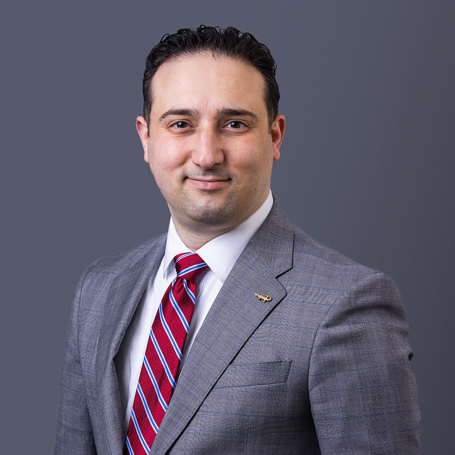
Senior Attorney Dustin Nemati is a former prosecutor with extensive trial experience in misdemeanor and felony cases. His background provides a valuable perspective on how the State reviews evidence, drafts charging documents, and prepares witnesses. We use this insight when evaluating the strengths and weaknesses of the case against you, and when planning how to respond.
We take a team-based approach to white-collar matters. Our attorneys collaborate to review financial records, electronic communications, and procedural issues that may affect your case. Because our firm also handles family law and estate planning, we are familiar with the way these cases can intersect with divorce, business ownership, and asset protection. This broader view helps us consider both immediate criminal concerns and long-term consequences for your family and finances.
To speak confidentially with a member of our team, call (904) 770-3141 today.