Florida Inheritance Law
Because Owenby Law, P.A. serves clients throughout Northeast Florida, understanding how Florida's inheritance laws work is essential to protecting your rights, whether you're planning your own estate or handling a loved one's after their passing.
Key aspects of Florida inheritance law include:
- Intestate Succession. If someone dies without a valid will in Florida, Chapter 732 of the Florida Statutes determines who inherits their property. Distribution generally prioritizes a surviving spouse and children first, followed by more distant relatives if none survive.
- Homestead Property Rules. Florida's homestead laws provide unique protections for a primary residence, but they also restrict how that property can be devised, particularly when the deceased is survived by a spouse or minor children. These restrictions can override what a will says.
- Elective Share for Surviving Spouses. Florida law entitles a surviving spouse to claim a share of the deceased spouse's estate — generally 30% of the elective estate — regardless of what the will provides, which can significantly affect how an inheritance is ultimately distributed.
- Formal vs. Summary Probate Administration. Florida offers a simplified summary administration process for smaller estates, while larger or more complex estates typically go through formal administration, which takes longer and involves more court oversight.
- No State Estate or Inheritance Tax. Florida does not impose its own estate or inheritance tax, though federal estate tax may still apply to larger estates.
Because these rules interact with one another in ways that aren't always intuitive, especially when homestead property, blended families, or out-of-state assets are involved, working with an experienced Jacksonville inheritance attorney can help ensure nothing is overlooked.
Common Inheritance-Related Legal Issues
Inheritance matters can involve a wide range of legal and financial challenges. A Jacksonville inheritance law attorney at Owenby Law, P.A. can assist with:
Probate Administration
Probate is the legal process of administering a deceased person’s estate. This includes validating a will, paying debts, and distributing assets. Delays, paperwork errors, and disputes can complicate the process.
Will Contests
Family members or beneficiaries may challenge a will if they believe it was created under undue influence, fraud, or without proper mental capacity.
Trust Disputes
Trusts are designed to avoid probate and manage asset distribution, but disagreements between trustees and beneficiaries can still arise.
Executor and Trustee Responsibilities
Executors and trustees have fiduciary duties to act in the best interests of beneficiaries. Mismanagement or failure to fulfill obligations may lead to legal action.
Inheritance Disputes Among Family Members
Conflicts over property, asset distribution, or perceived unfairness can create tension and legal complications.
Creditor Claims
Outstanding debts must often be settled before inheritance is distributed, which can affect beneficiaries’ expected shares.
Inheritance Disputes in Blended Families
Some of the most contentious inheritance disputes we see involve blended families, where a surviving spouse and children from a previous marriage may have competing interests in the same estate. Common friction points include:
- A will or trust that appears to favor a new spouse over children from an earlier marriage, or vice versa
- Disputes over whether jointly titled property should pass to a surviving spouse or be divided among all children
- Concerns that an elderly parent was pressured into changing an estate plan shortly before death
- Disagreements over the intent behind informal promises made before death that were never reflected in legal documents
Florida's elective share and homestead rules add another layer of complexity in these situations, since they can override provisions in a will that might otherwise favor children from a prior relationship. If you're facing this kind of dispute, it helps to work with attorneys who understand both estate law and the family dynamics that often drive these conflicts.
Common Mistakes That Lead to Inheritance Disputes
Many inheritance conflicts can be traced back to a handful of avoidable issues in how an estate plan was created or maintained:
- Outdated beneficiary designations on retirement accounts or life insurance policies that no longer reflect the deceased's actual wishes
- Informal promises about who would receive specific property that were never put into a will or trust
- Failure to update documents after a divorce, remarriage, or birth of a child or grandchild
- DIY or generic estate planning documents that don't account for Florida-specific rules like homestead protections or the elective share
- Naming an unprepared or conflicted personal representative or trustee, which can lead to mismanagement or the appearance of favoritism
Addressing these issues proactively, through clear, properly drafted, and regularly updated estate planning documents, is one of the most effective ways to reduce the likelihood of a dispute after you're gone. If you're in the position of settling an estate where these issues are already present, our attorneys can help you navigate the dispute itself.
Planning Ahead: Protecting Your Legacy
Proactive planning can reduce confusion and conflict after your passing. A comprehensive estate plan may include:
- A legally valid will
- Trust arrangements
- Beneficiary designations
- Powers of attorney
- Healthcare directives
These tools ensure that your assets are distributed according to your wishes and that your loved ones are protected from unnecessary legal complications.
Inheritance Law FAQs
What happens if someone dies without a will?
If a person dies intestate (without a will), state laws determine how assets are distributed among relatives. The process can be more complicated and may not reflect the deceased person’s wishes.
Do all inheritances go through probate?
Not necessarily. Assets held in trusts, jointly owned property, and accounts with designated beneficiaries may pass outside probate.
Can a will be challenged?
Yes. Wills can be contested if there are concerns about fraud, undue influence, improper execution, or lack of mental capacity.
How long does the inheritance process take?
The timeline varies depending on the complexity of the estate, whether probate is required, and if disputes arise. Some estates are settled in months, while others take longer.
Are inheritance assets taxed?
Tax obligations depend on the type of asset, the estate’s value, and applicable federal or state tax laws. Legal and financial guidance can help minimize tax burdens.
What should I do if I believe I was unfairly excluded from an inheritance?
Consulting an inheritance attorney is essential. Legal options may be available if a will or trust was improperly created or administered.
What is an elective share, and how does it affect an inheritance?
Florida's elective share law allows a surviving spouse to claim a portion of the deceased spouse's estate, generally around 30%, even if the will provides for a smaller share or excludes the spouse entirely.
Can homestead property be left to anyone in a will?
Not always. Florida law places restrictions on devising homestead property when the deceased is survived by a spouse or minor children, regardless of what the will states.
What happens if a loved one owned property in another state?
That property typically requires a separate ancillary probate proceeding in the state where it's located, in addition to the primary Florida probate case.
Who has the right to access a deceased person's digital accounts?
Access depends on both the platform's own terms of service and Florida's Fiduciary Access to Digital Assets Act, which allows a personal representative certain access rights if the estate plan properly authorizes it.
Why Families Turn To Our Firm
Inheritance issues usually arise at a time when families are already under emotional strain. You may be trying to honor your loved one’s wishes while also managing disagreements with siblings or other relatives. We approach these situations with compassion and respect, and we work to protect your interests without losing sight of the human side of the case.
Clients turn to Owenby Law, P.A. because our attorneys have guided thousands of individuals and families through probate, wills, guardianships, and related matters. With over 125 years of combined legal experience, we are familiar with the ways inheritance disputes can unfold, especially when there are blended families, second marriages, or estranged relatives involved.
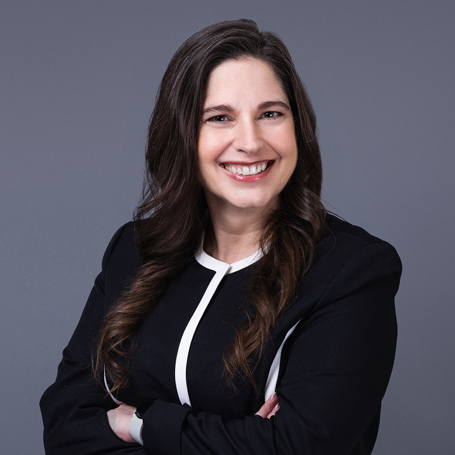
Our firm has been serving Jacksonville, St. Augustine, and Orange Park for more than two decades. Senior Attorney Joy Owenby leads our team and holds a 10 out of 10 Avvo rating, along with active memberships in the Jacksonville Bar Association and the Florida Association for Women Lawyers. This local involvement reflects our long-standing commitment to the Northeast Florida community.
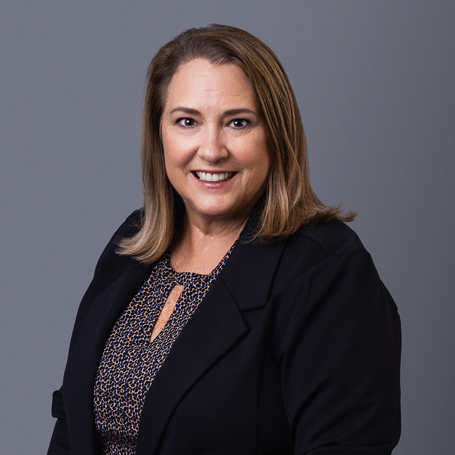
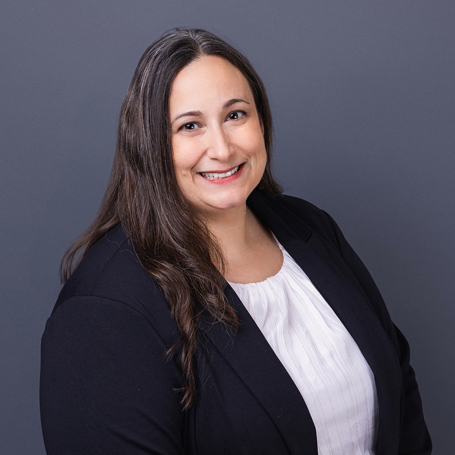
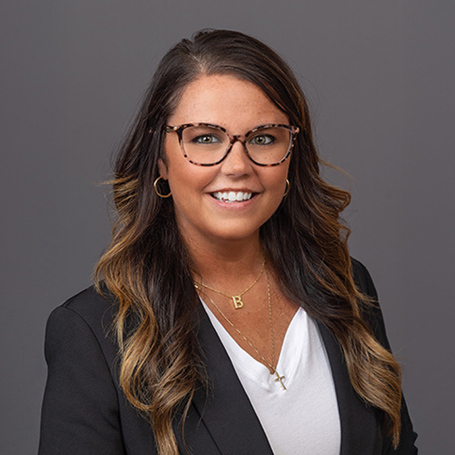
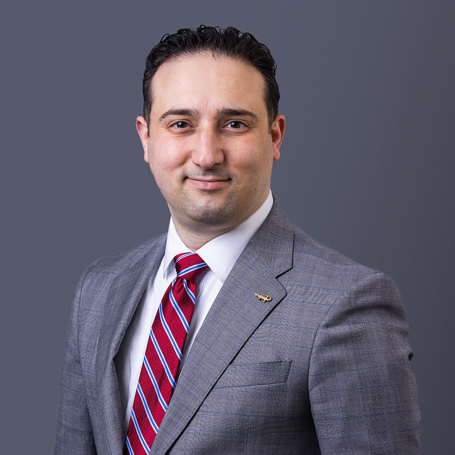
We use a team-based approach. Senior attorneys such as Tawny Rountree, Amanda Meyer, Dustin Nemati, and Emily Cochran contribute experience across family law, estate planning, probate, guardianships, and criminal defense. That breadth can be especially valuable when inheritance disputes intersect with divorce history, child support obligations, or allegations of financial misconduct within a family.
Every inheritance situation is different. We take time to listen to your goals, explain what Florida law allows, and develop a strategy that fits your circumstances. Our focus is not only on resolving the immediate conflict, but also on helping you move toward greater stability and peace of mind after the estate is settled.
To discuss your situation with an inheritance attorney, call (904) 770-3141 today.